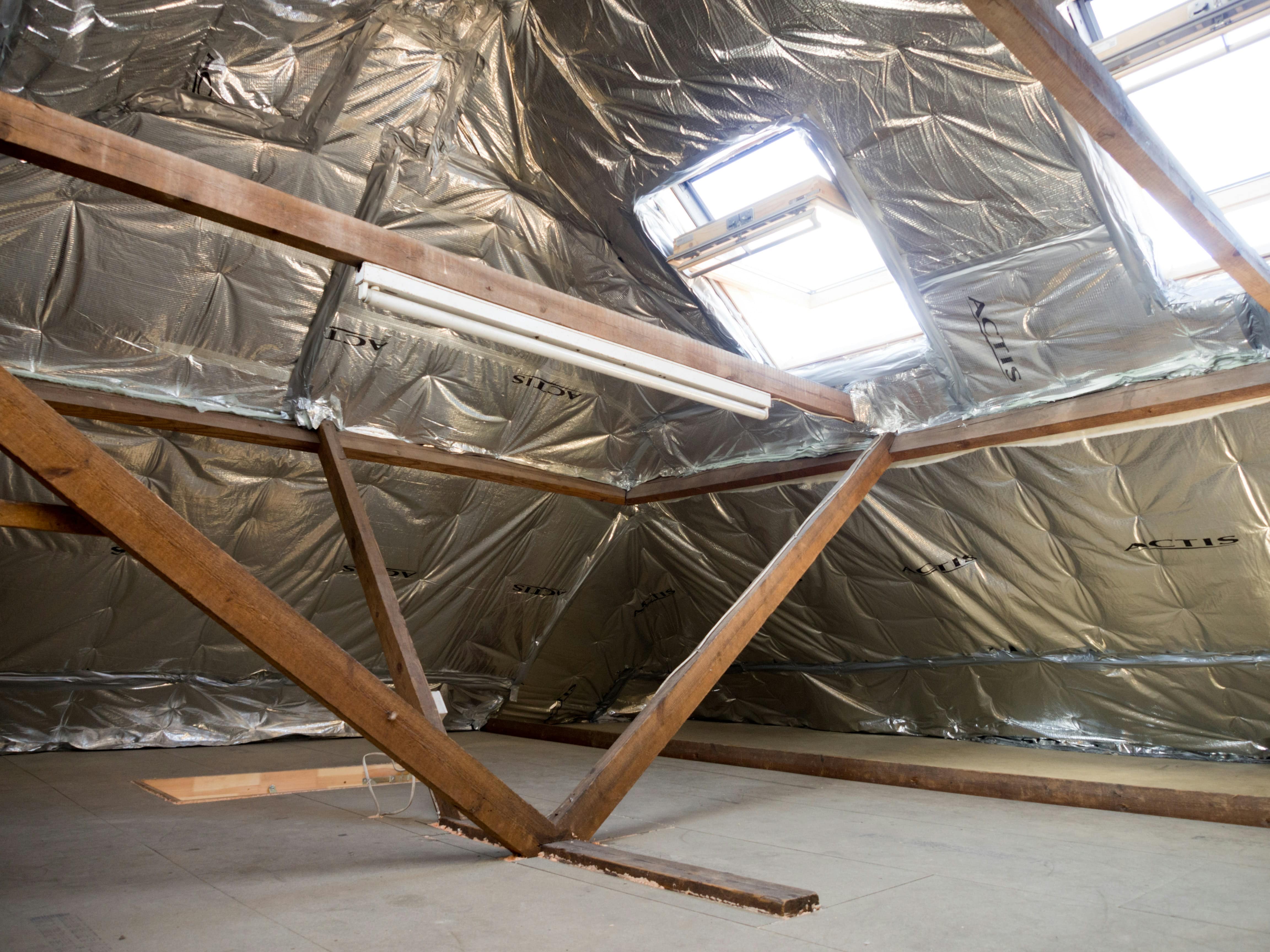
Immediate Answer: How Long Does Loft Insulation Last in Barking?
For most homes, properly installed Barking loft insulation lasts between 30 and 50 years. In many properties across Barking and Dagenham, modern mineral wool or quilt insulation can continue performing well for decades without needing replacement, provided it stays dry, ventilated, and undisturbed.
However, lifespan is not just about age. Performance matters more than years alone. Some lofts still contain thin insulation from the 1980s and 1990s that technically “exists” but no longer works efficiently. Heat escapes, condensation forms, and energy bills rise even though insulation is present.
If your home feels cold upstairs, heating runs longer than expected, or your loft insulation depth is below current recommendations, your insulation may be due for a top-up or replacement long before the material fully fails.
Timeline Overview for Barking Loft Insulation
Understanding the timeline helps homeowners plan upgrades without disruption. While insulation lasts a long time, its performance changes gradually depending on conditions inside the loft.
Here’s a practical performance timeline most Barking homeowners experience:
- 0–10 years: Excellent performance. Heat retention is strong and energy loss is minimal.
- 10–20 years: Still effective, but compression and small gaps may begin forming.
- 20–30 years: Efficiency starts dropping if insulation is thin, disturbed, or poorly ventilated.
- 30–50 years: Material can survive, but many lofts need upgrading to modern depth standards.
In Barking, many older terraced and semi-detached homes still contain shallow insulation layers that no longer meet today’s recommended depth of around 270mm. Even if the material hasn’t failed, upgrading can dramatically improve warmth and reduce heating costs.
Step-by-Step: How Loft Insulation Is Installed in Barking
Knowing the process makes it easier to understand what affects longevity. Professional loft insulation follows a clear sequence to ensure performance lasts for decades.
1. Loft inspection and measurement
Installers assess existing insulation depth, ventilation, moisture risk, access points, and roof structure. Barking homes vary widely, from Victorian terraces to post-war builds, and each layout affects installation strategy.
2. Removal of damaged material
Old, damp, contaminated, or flattened insulation is removed. Leaving damaged material in place can trap moisture and shorten the lifespan of new insulation.
3. Airflow and ventilation setup
Correct airflow prevents condensation. Without ventilation, insulation can become damp over time, reducing thermal performance and encouraging mould growth.
4. Installing new insulation to depth
Mineral wool or quilt insulation is laid evenly between and over joists to reach the recommended thickness. Consistent coverage is key to long-term heat retention.
5. Final checks and access protection
Walkways and boarding are adjusted so insulation isn’t compressed. Compression is one of the main reasons insulation underperforms early.
When installed correctly, Barking loft insulation stays stable, dry, and effective for many decades.
What Factors Affect How Long Barking Loft Insulation Lasts?
Not all loft insulation ages the same way. Several real-world conditions inside Barking homes influence lifespan and performance.
Moisture and condensation
Poor ventilation allows warm air to meet cold roof surfaces, creating condensation. Over time, moisture reduces insulation performance and may require replacement earlier than expected.
Compression from storage
Many Barking homeowners use lofts for storage. Placing heavy items directly on insulation compresses it, reducing its thermal resistance and shortening its effective lifespan.
Roof leaks
Minor roof leaks soak insulation slowly. Even small water ingress over months can ruin large sections of material.
Old material types
Older fibreglass and thin roll systems lose effectiveness faster than modern mineral wool. Many homes still rely on outdated depths that no longer perform well.
Installation quality
Uneven coverage, blocked airflow, or missing edges allow heat to escape and moisture to form. Good installation is what truly protects long-term performance.
How Size and Property Type Impact Lifespan
Property style across Barking and Dagenham plays a big role in insulation behaviour over time.
Terraced homes often have shared roof structures and tighter loft spaces. These usually stay warmer but need careful ventilation planning to avoid trapped moisture.
Semi-detached houses tend to experience more airflow variation, especially at party walls, which means insulation must be laid evenly to prevent cold bridging.
Bungalows typically lose heat faster due to large roof surface area. Insulation here works harder and benefits most from proper depth and coverage.
Modern builds often already have insulation but may need upgrading to meet modern standards after 15–20 years.
Larger lofts don’t reduce lifespan directly, but they increase the importance of consistent installation so no areas are left thin or exposed.
Local Barking Considerations That Affect Longevity
Barking’s environment has its own influence on loft insulation lifespan. Local weather patterns, building age, and layout matter more than many homeowners realise.
Homes near the Thames and lower-lying areas often experience higher moisture levels. Without proper ventilation, loft insulation can slowly absorb humidity, reducing performance over time.
Many Barking properties were built before modern insulation standards, meaning roof structures were not designed with thick insulation in mind. Professional installers adapt airflow paths to suit older roof designs.
Urban dust, traffic pollution, and debris can also settle into loft spaces over years, affecting insulation cleanliness and airflow. Periodic inspections help catch issues before they shorten lifespan.
For guidance on building standards that influence insulation requirements, homeowners can reference official UK regulations from the government at gov.uk Building Regulations Part L.
When Can You Use the Loft After Installation?
One of the most common questions homeowners ask is how soon the loft is usable again after insulation work.
In most Barking loft insulation jobs, the loft can be accessed immediately after installation. There is no curing period for mineral wool or quilt insulation.
However, it’s important to walk only on installed boarding or joist pathways. Walking directly on insulation compresses it and reduces its lifespan and performance.
If loft boarding is added, installers ensure weight is distributed correctly so insulation beneath stays fluffy and effective.
Once installed properly, the insulation starts saving energy the same day, keeping warmth inside the home from the first evening after installation.
How to Tell If Your Barking Loft Insulation Needs Replacing
Even long-lasting insulation eventually needs attention. Here are practical signs Barking homeowners should watch for:
- Cold upstairs rooms despite heating.
- Visible thin or uneven insulation.
- Damp smells coming from the loft.
- Condensation on roof timbers.
- Energy bills rising without explanation.
If any of these appear, a professional inspection can determine whether a top-up or full replacement will restore performance.
Many homeowners combine inspections with professional Barking loft insulation services to upgrade depth and improve ventilation in one visit.
Short FAQs About Barking Loft Insulation Lifespan
Can loft insulation really last 50 years?
Yes, modern mineral wool can physically last decades. Performance depends on moisture, ventilation, and whether it stays uncompressed.
Does thicker insulation last longer?
Thicker insulation doesn’t just save more energy; it also resists compression better and maintains performance for longer periods.
Do I need to replace insulation when boarding a loft?
Not always, but boarding should raise above insulation to avoid compressing it, otherwise lifespan and efficiency drop.
Is topping-up better than replacing?
If existing insulation is dry and clean, topping up is usually enough. Damaged insulation should be removed first.
Get Expert Advice for Your Barking Loft
If you want to know how long your current insulation will really last, or whether upgrading would reduce your bills, speak with a local specialist today.
CALL NOW FOR A FAST QUOTE VIEW SERVICES